Digital Workflows: Industry Standard or Curse in Disguise?
The modern recording studio fits into a laptop bag: Digital workflows have become the industry standard for a reason. They are fast, flexible and incredibly powerful. With a laptop and a few plugins, an entire record can be written, edited, produced, mixed and mastered without ever leaving the box. And while there is nothing inherently wrong with that, I sometimes wonder whether having virtually unlimited options actually makes creating music easier — or simply gives us more opportunities to get lost.
For me personally, the answer lies somewhere in between. My production philosophy is built around a hybrid workflow that combines the precision and flexibility of the digital world with the character, limitations and unpredictability of analogue equipment.
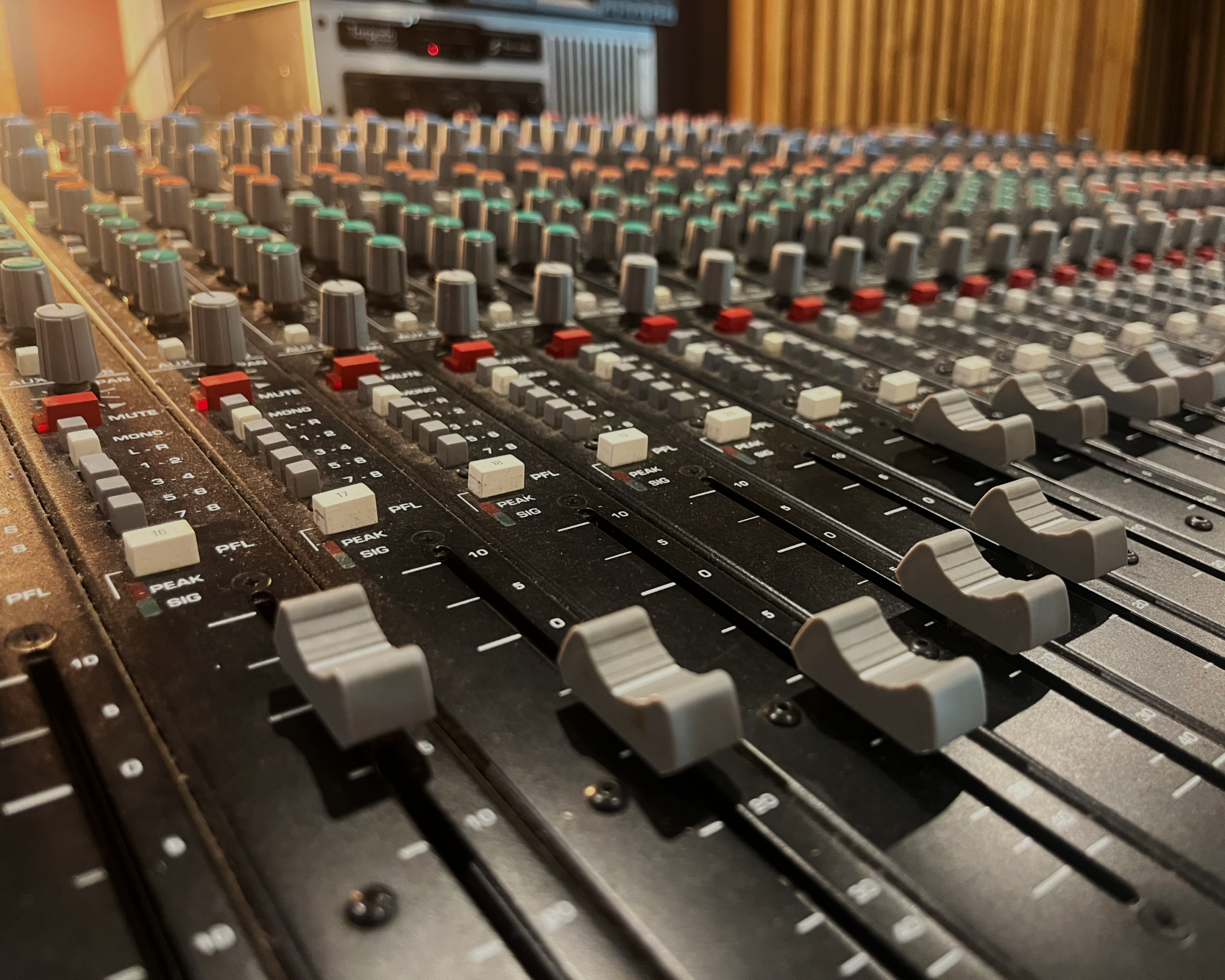
Analogue gear plays an important role during tracking and production because it turns the process of finding a sound into a physical experience. Chasing tones through amplifiers, pedals, preamps and other pieces of hardware forces decisions to happen in the moment. Instead of scrolling through hundreds of presets or endlessly tweaking a plugin, you interact with the instrument, the room and the equipment. Sometimes the perfect sound comes from an unexpected combination of settings — and those happy accidents are often where the character of a record starts to emerge.
Besides that, there is also magic in having to commit to a sound. Recording through analogue equipment means that you are not just collecting options for later; you are constantly making creative decisions while performing. This can encourage musicians to play differently, react to the sound coming back at them and ultimately become more connected to the music they are creating. And hey, there’s still the option of tracking a DI on the side, just to be safe.
At the same time, digital technology gives us the freedom to edit, organise and refine without compromising the creative decisions made during tracking. Modern DAWs provide an incredible level of control, making it possible to experiment, revise arrangements and solve technical problems efficiently. The most powerful aspect of those workflows is that you can literally take them anywhere you want - I’ve arranged full songs on a train, edited vocals in remote mountain cabins or dialled sounds in the comfort of a hammock - and honestly, I love it and could not imagine giving up this flexibility.
Ultimately, I don't believe analogue is automatically better and digital isn't some kind of curse. Both are tools. The important question is whether the workflow serves the music. For me, the ideal studio is one where technology creates possibilities without becoming the creative process itself — where analogue gear helps us chase character and emotion, while digital tools give us the freedom to shape those ideas into a finished record.
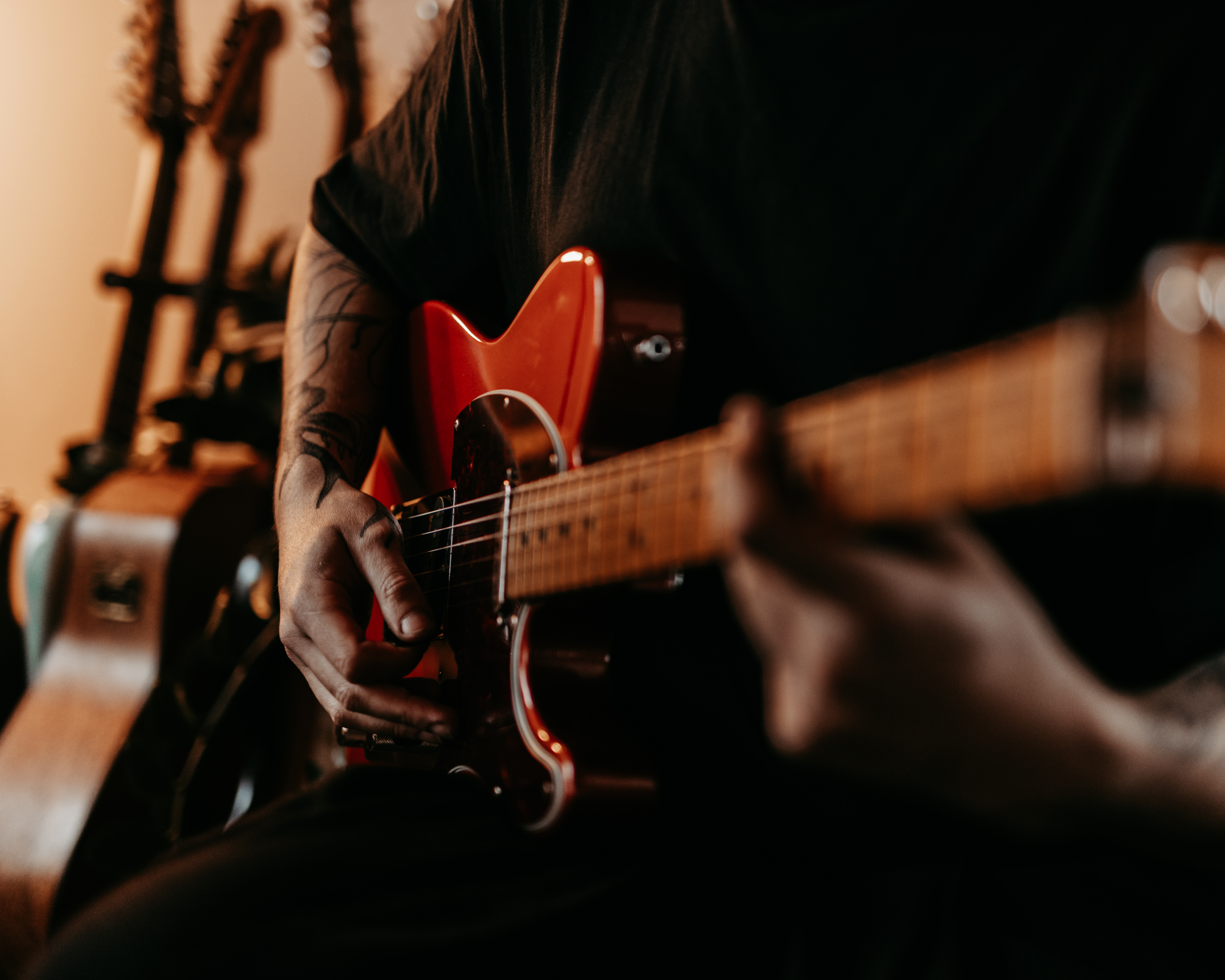
At Post Brutalist Audio, hybrid does not automatically mean hardware integration at all cost. It means having the right tools at hand and emphasising workflows that allow artists to get the best out of their music. Because sometimes the best workflow isn't the one with the most options. It's the one that helps you stop thinking about the options and start making music.
Turn your ideas into records.
From preproduction to mastering a track that hits, we help you to turn your demos into professional records full of vibe and character.
Contact us to book your production session now.